the seasonal collection
five seasons. five formulas. one ritual.
In Chinese medicine, the year has five seasons — not four. Each belongs to an element, an organ system, and a way of being. Our seasonal formulas are designed to support your body through each transition.
The Seasonal Ritual
five formulas. five seasons. one year of intentional nourishment.
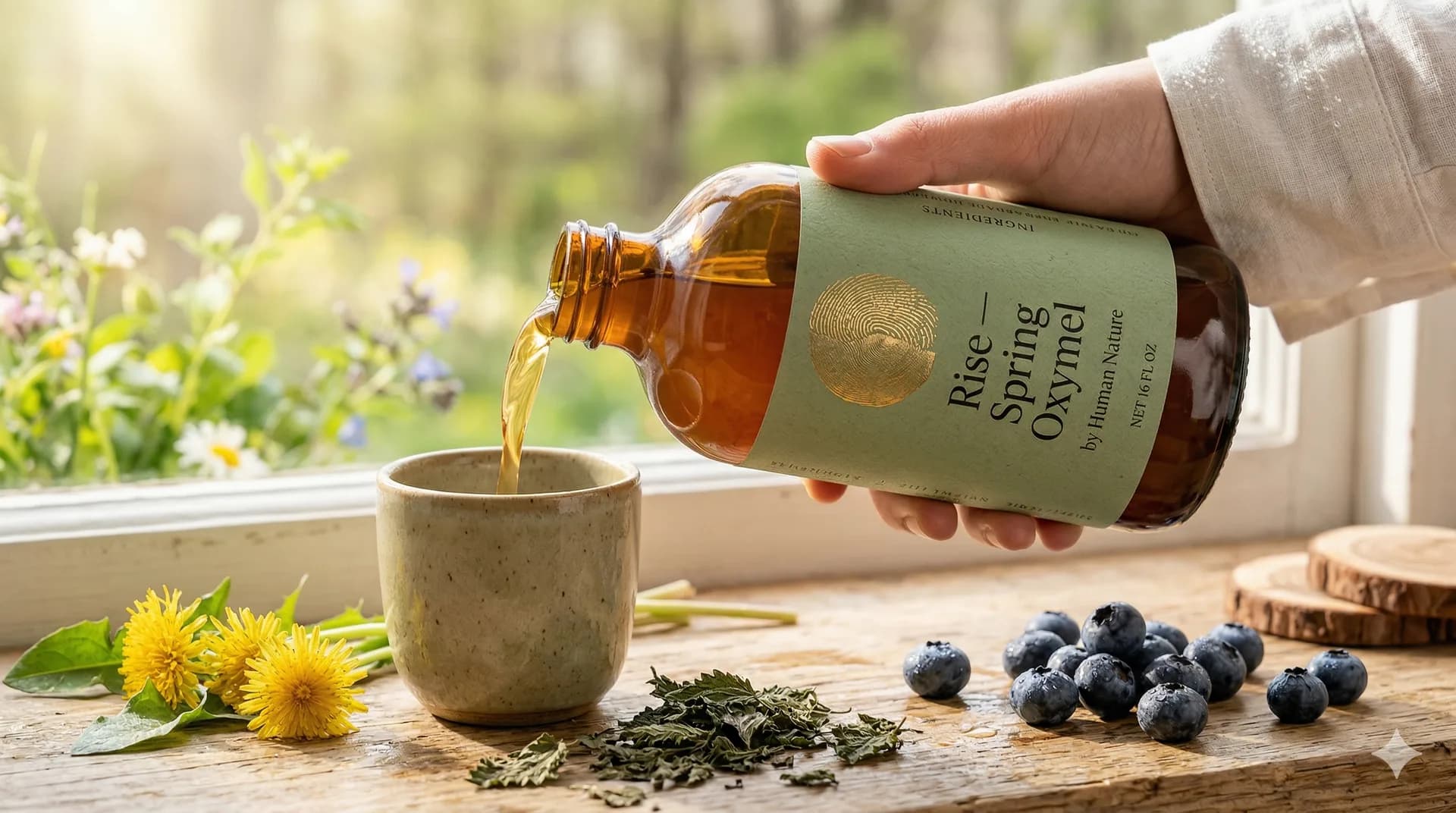
Rise — Dang Shen, Nettle, Yuzu (Spring)
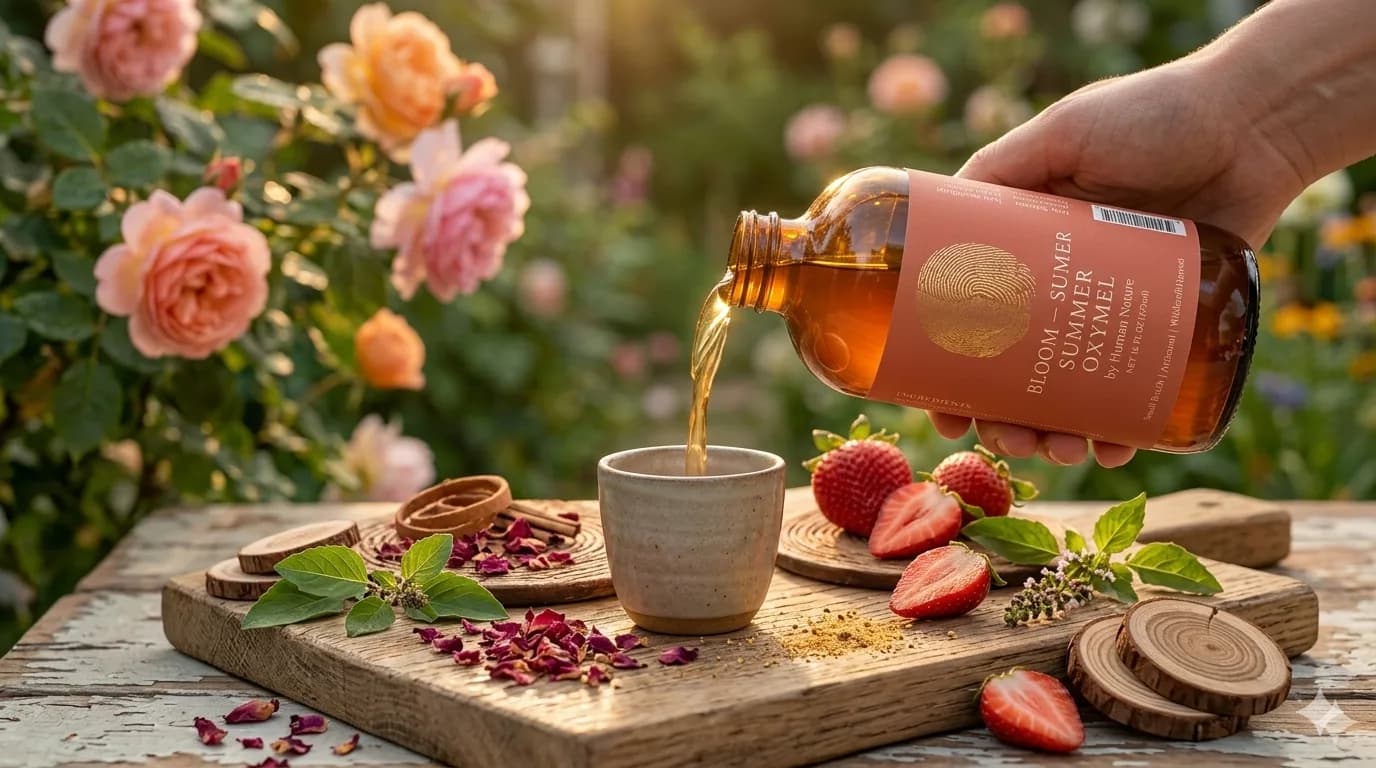
Bloom — Holy Basil, Rose, Strawberry (Summer)
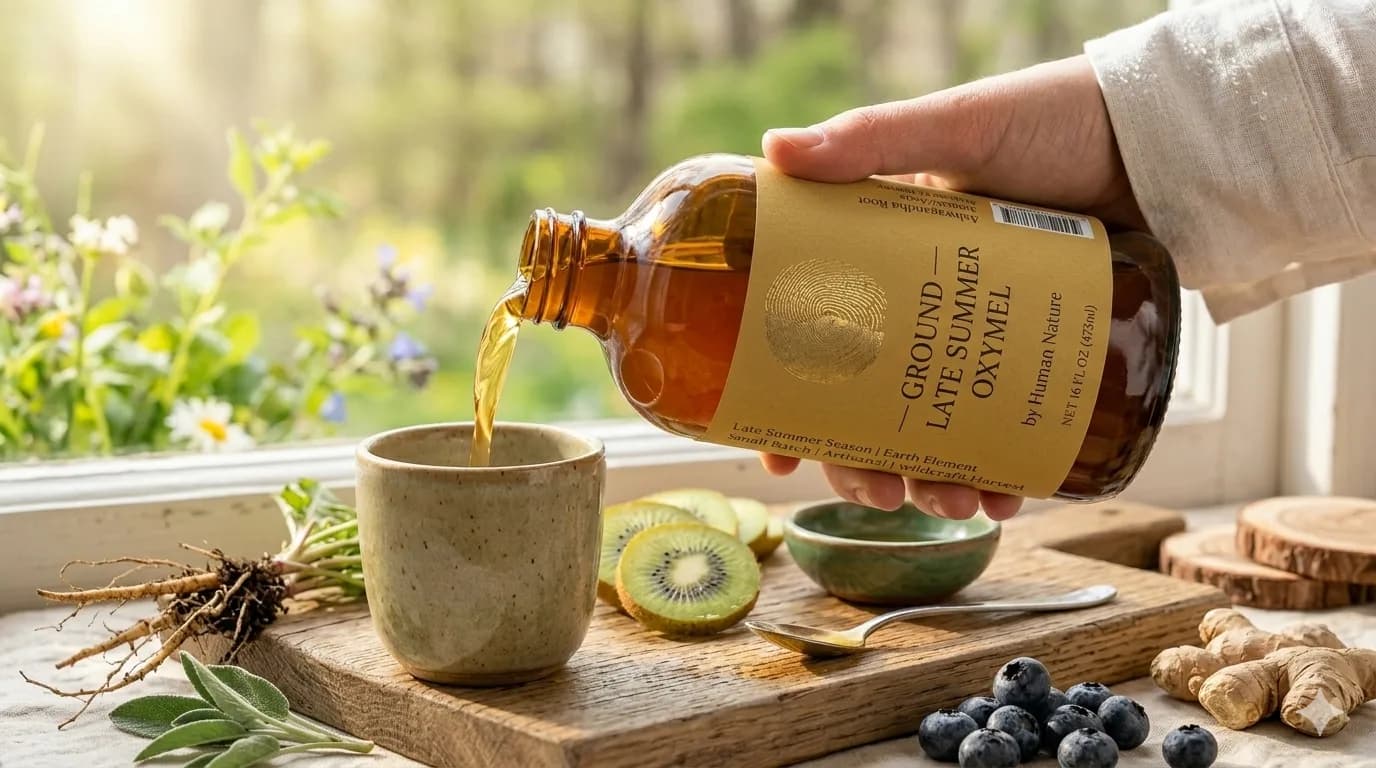
Ground — Lemon Balm, Jiaogulan, Kiwi (Late Summer)
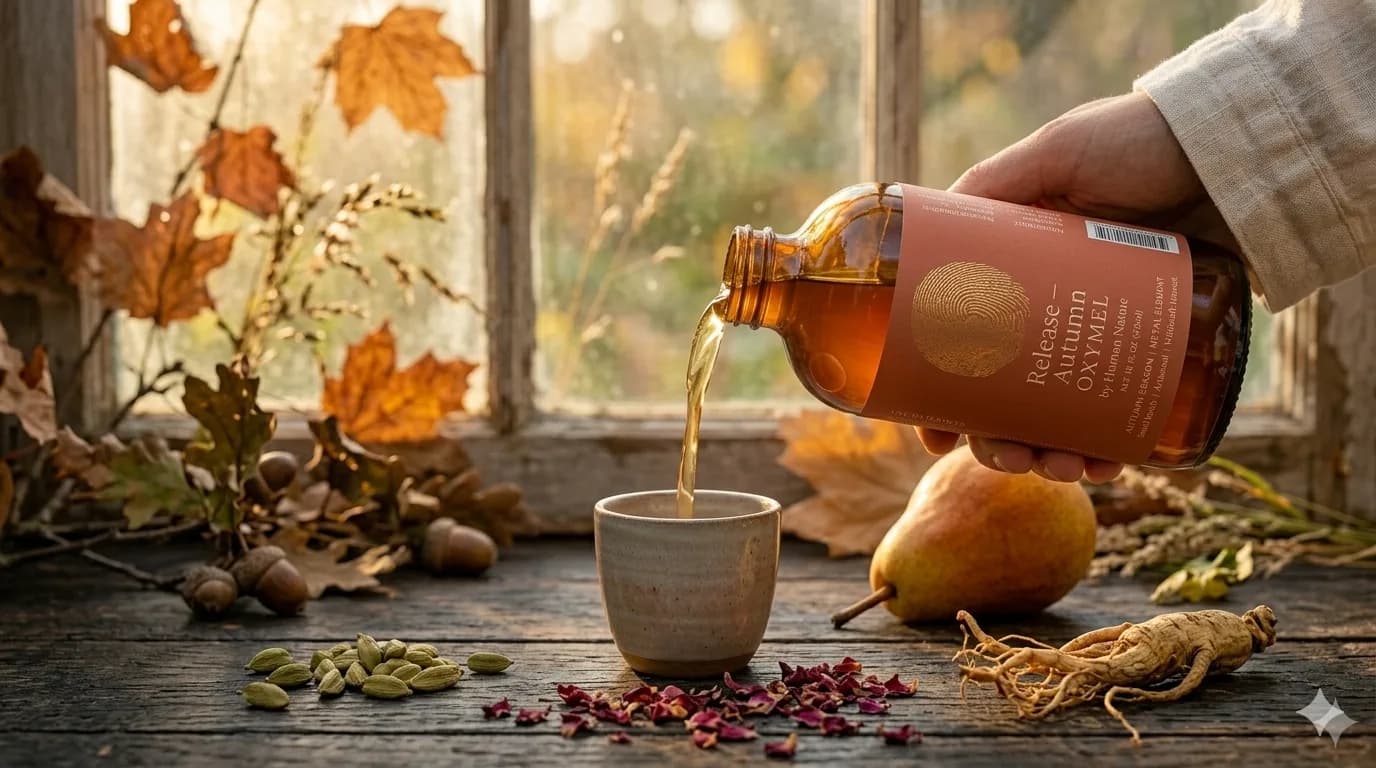
Release — Astragalus, Rose, Pear (Autumn)
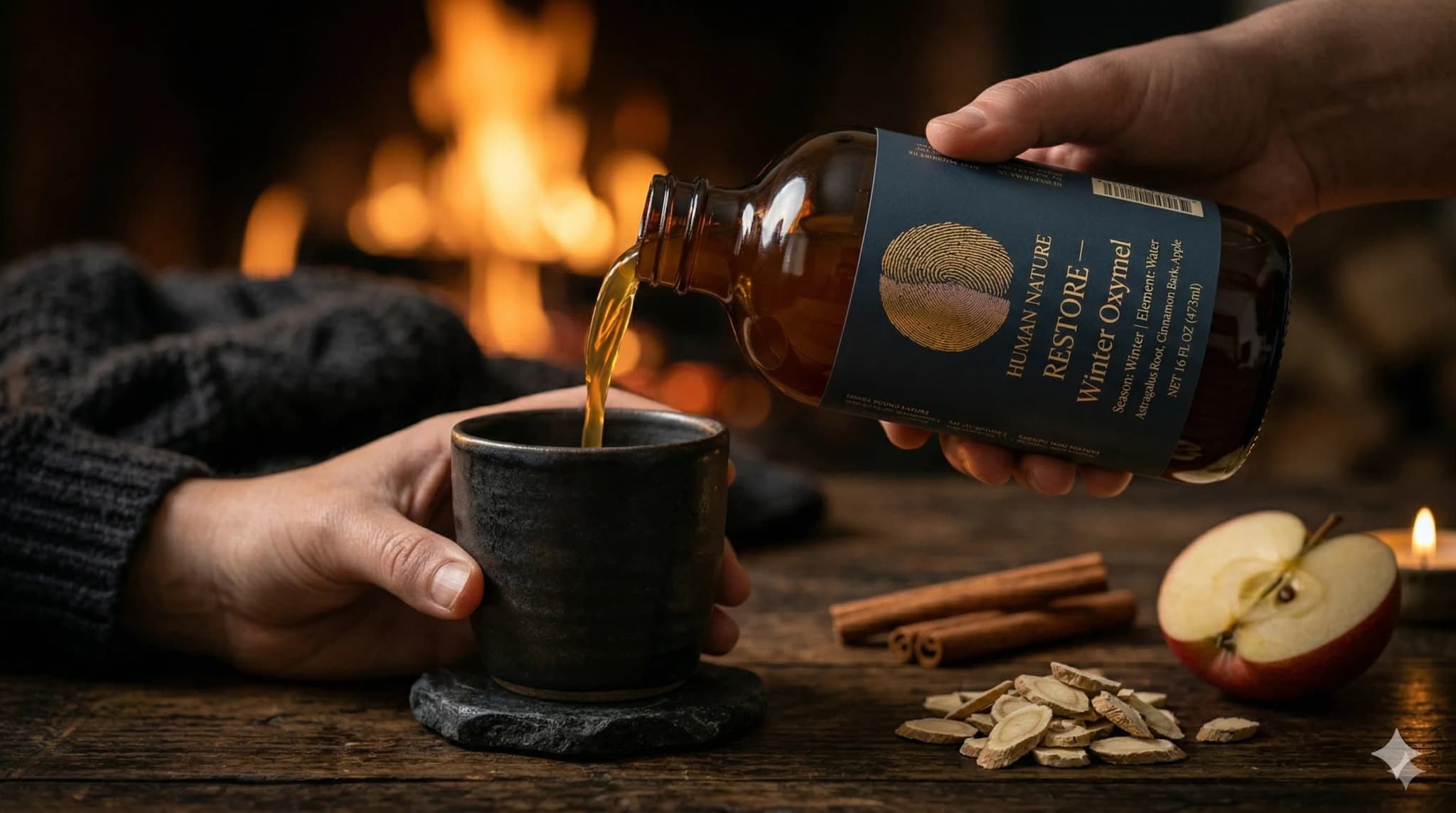
Restore — Schisandra, Epimedium, Apple (Winter)
$120
$130
saves $10
subscribe & save 11% · ships each season · cancel anytime
the five elements
Traditional Chinese Medicine organizes the natural world — and the body — into five elemental patterns: Wood, Fire, Earth, Metal, and Water. Each element corresponds to a season, a pair of organs, and a set of qualities. Understanding these patterns is the foundation of seasonal wellness.
Rise
wood element
spring
Liver · Gallbladder
stir. clear. begin again.
- Dang Shen / Codonopsis (Codonopsis pilosula)
- Nettle Leaf (Urtica dioica)
- Hawthorn Berry (Crataegus monogyna)
- Rosehip (Rosa canina)
- Yuzu (Citrus junos)
$30
Bloom
fire element
summer
Heart · Small Intestine
open. nourish. shine.
- Holy Basil / Tulsi (Ocimum tenuiflorum)
- Rose Petal (Rosa damascena)
- Hawthorn Berry (Crataegus monogyna)
- Rosehip (Rosa canina)
- Strawberry (Fragaria × ananassa)
$30
Ground
earth element
late summer
Spleen · Stomach
settle. digest. sustain.
- Lemon Balm Leaf (Melissa officinalis)
- Jiaogulan (Gynostemma pentaphyllum)
- Hawthorn Berry (Crataegus monogyna)
- Rosehip (Rosa canina)
- Kiwi (Actinidia deliciosa)
$30
Release
metal element
autumn
Lung · Large Intestine
let go. breathe. protect.
- Astragalus Root (Astragalus membranaceus)
- Rose Petal (Rosa damascena)
- Cardamom (Elettaria cardamomum)
- Hawthorn Berry (Crataegus monogyna)
- Rosehip (Rosa canina)
- Pear (Pyrus communis)
$30
Restore
water element
winter
Kidney · Bladder
slow down. go deep. renew.
- Schisandra Berry (Schisandra chinensis, Wu Wei Zi)
- Yin Yang Huo / Epimedium (Epimedium spp.)
- Cinnamon Bark (Cinnamomum verum)
- Devil's Club Root Bark (Oplopanax horridus)
- Hawthorn Berry (Crataegus monogyna)
- Rosehip (Rosa canina)
- Apple (Malus domestica)
$30
The five-element framework, applied to modern life
Traditional Chinese Medicine has mapped human physiology to seasonal cycles for over two thousand years. The five-element framework is a clinical system that identifies the organ networks most active in each season and the lifestyle, dietary, and botanical interventions that support them. Our seasonal collection translates this framework into five oxymels, each formulated with herbs selected for their documented affinity with the relevant organ system and time of year.
Seasonal medicine is preventive medicine
The conventional supplement model treats deficiency reactively — you take something when you feel depleted, tired, or ill. The seasonal model inverts this. By supporting the organ system before it is stressed — nourishing the liver in spring before the year's first long days, supporting the lungs in autumn before cold and dryness arrive — you reduce the amplitude of seasonal vulnerability. The goal is resilience, not rescue.
This is why our oxymels are designed for daily use over an entire season, not as occasional tonics. The active constituents in the herbs build cumulatively. A spoonful of Rise every morning in March and April accomplishes more than three spoonfuls in the last week of the season.
Why we make oxymels
Capsules are convenient but passive. An oxymel requires a moment — measuring a teaspoon, tasting the herbs, noticing the season. This is intentional design. The ritual of taking your morning oxymel anchors awareness of your body's state in a way that swallowing a capsule does not. Many of our customers report that the practice of taking their seasonal formula is as valuable as the botanical compounds it contains.
common questions
Classical Chinese medicine maps five organ systems to five seasons: Spring (liver/gallbladder), Summer (heart/small intestine), Late Summer (spleen/stomach), Autumn (lung/large intestine), and Winter (kidney/bladder). Each transition period creates predictable physiological demands — our formulas are timed to address these patterns proactively, not reactively.
Yes. Many subscribers take a daily oxymel year-round and layer in the current seasonal formula during its active window. The formulas are complementary and there are no ingredient conflicts between them. Some customers who experience a particularly challenging seasonal transition double-dose on the relevant formula for two to three weeks.
Each formula ships at the start of its season: Rise (Spring) in March, Bloom (early Summer) in June, Ground (Late Summer) in August, Release (Autumn) in September, and Restore (Winter) in December. Subscribers receive a reminder email seven days before each shipment and can skip, pause, or cancel at any time.
Yes. The five-element framework maps to energetic cycles as much as meteorological ones. Regardless of your external climate, the body moves through predictable cycles of activity, consolidation, and rest that align with these seasonal templates. Customers in tropical climates often find the Late Summer and Winter formulas most relevant regardless of temperature.
We recommend consulting your midwife or OB before starting any herbal supplement during pregnancy or while breastfeeding. Some of our formulas contain herbs that are not recommended in pregnancy — your provider can help identify which are appropriate for your situation.
subscribe to the seasonal ritual
Receive each formula as its season arrives. No commitment, cancel anytime. Subscribe to all five and save.
start your seasonal subscription